News
August 25th, 2026 | 3-minute read
Upcoming community events build on recent research funding announcement
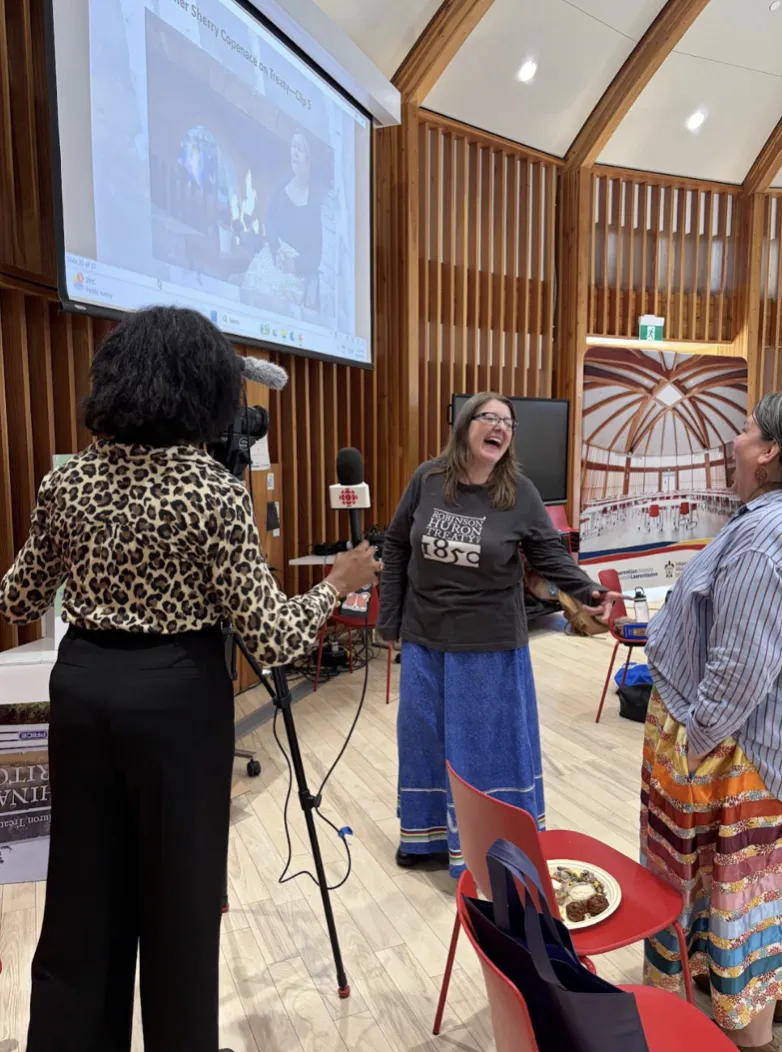
Following federal funding from the Social Sciences and Humanities Research Council (SSHRC), a Laurentian University research initiative is inviting community members across Northern Ontario to participate in upcoming events centered on Treaty education, land rights, and building treaty relationships.

August 25, 2026– Following federal funding from the Social Sciences and Humanities Research Council (SSHRC), a Laurentian University research initiative is inviting community members across Northern Ontario to participate in upcoming events centered on Treaty education, land rights, and building treaty relationships.
Co-led by a collaborative team of Indigenous and non Indigenous scholars and community leaders–and facilitated by Dr. Elizabeth Carlson-Manathara, Associate Professor in the School of Social Work at Laurentian University, the five-year project—titled The Robinson Huron Treaty of 1850: Living in Good Relations—serves as an action-oriented platform for public participation. Blending rigorous academic study with community-driven action, the initiative centers on public education and active dialogue following the landmark Restoule v. Canada court decisions.
Upcoming Community Events
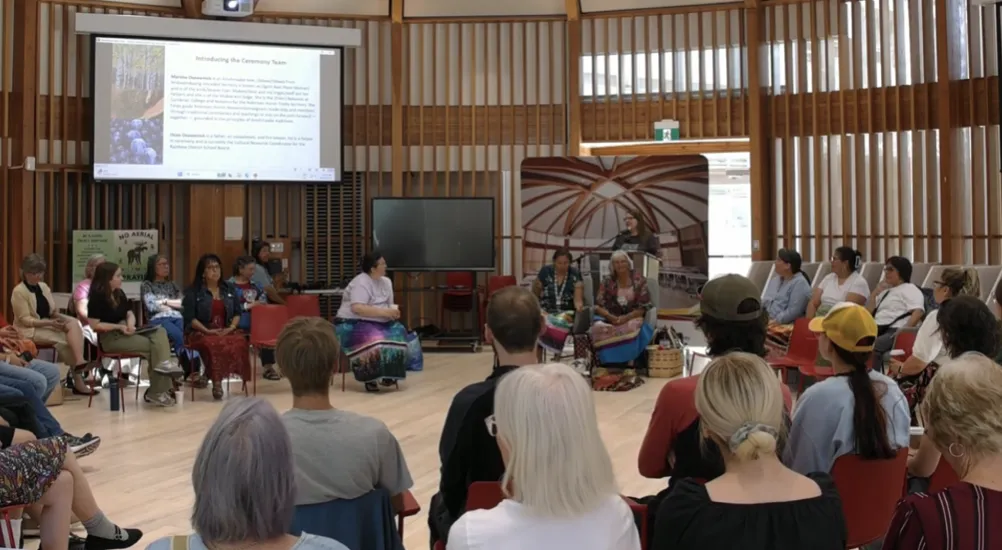
The research initiative directly supports and anchors several upcoming opportunities for community members, Indigenous peoples, non-Indigenous partners, and students to engage in treaty education:
- Annual Treaty Gathering (September 8–10, 2026): Members of the research team will present key insights on Anishinaabe treaty perspectives and land stewardship.
- Treaty Week at Laurentian University (First week of November 2026): A series of campus and public presentations, workshops, and panel discussions highlighting research findings and local action.
- Public Education & Action Events: The research initiative will host public treaty education and action events alongside annual feasts and ceremonies, while supporting the work of the Traditional Ecological Knowledge (TEK) Elders of the Robinson Huron Treaty territory.
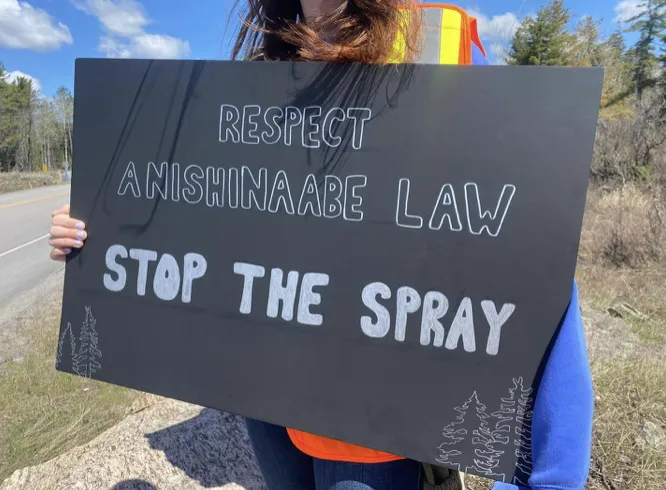
“Historic treaties establish foundational legal and relational frameworks between Indigenous peoples, non-Indigenous peoples, and the land,” said Dr. Carlson-Manathara. “Our goal is to privilege Anishinaabe treaty perspectives and Anishinaabe law to move beyond broken promises and help educate our broader community on how to become better treaty relatives.”
About the Research Initiative
Supported by a $477,874 SSHRC Insight Grant, the project shifts away from colonial frameworks toward Anishinaabe law, philosophies, and oral histories. Drawing on existing documents, expert witness testimony from the annuities case, and Elder knowledge across the Treaty territory, the project seeks to provide grounding education for Indigenous community members—some of whom may have limited access to Treaty knowledge—while guiding non-Indigenous residents on how to fulfill their responsibilities as Treaty partners.
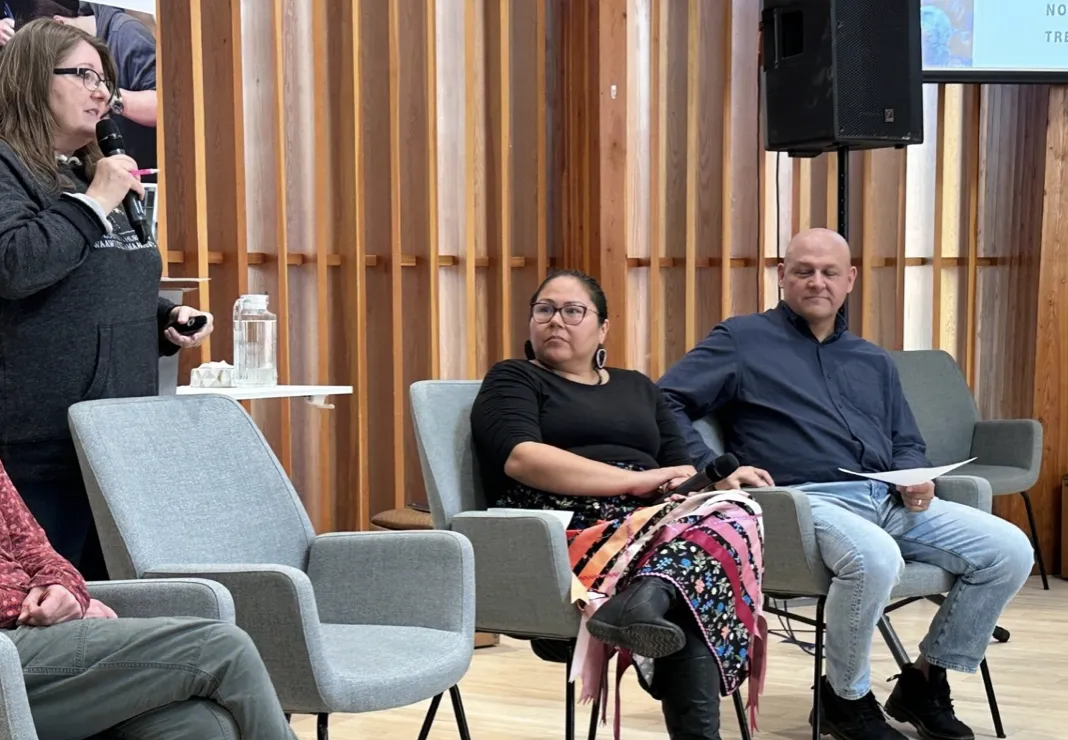
The initiative brings together a multidisciplinary team composed primarily of Indigenous voices—with 9 of the 13 team members being Indigenous—including Anishinaabe Law scholars, Treaty scholars, public educators, and community organizers: Dr. Sue Chiblow, Dr. Deborah McGregor, Minawaanigogiizhigook (Dawnis Kennedy), Dr. Jodi Koberinski, Taryn Michel, Dr. Darrel Manitowabi, Dr. Joey-Lynn Wabie, Aimée Craft, Nicole Wemigwans, Neil Jones, Naomi Grant, and Research Coordinator and LU graduate student, Kryslynn Mohan.
The project is also proud to work in collaboration with Robinson Huron Waawiindamaagewin. Additionally, up to 27 Laurentian University students will receive hands-on training as Graduate Research Assistants, student coordinators, and placement students.
Key project outputs will include a project website, digital training modules, a documentary film, academic publications, and a public education book. All data collected through the initiative will adhere to Ownership, Control, Access, and Possession (OCAP®) principles to support Anishinaabe governance over community knowledge.
Continue reading

Student Voices Needed: Apply for Laurentian’s University Senate
Student leaders have long played a critical role in shaping Laurentian University. From influencing...
Oct. 26, 2026
Read more

Laurentian University Student and Alumnae Honoured with 2026 YWCA Young Woman of Distinction Award
Laurentian University is proud to celebrate first-year Sports Psychology student Leila Barsanti, who...
Oct. 23, 2026
Read more

Annual MineOpportunity Games Return to Laurentian with Record Attendance
MineOpportunity continues to inspire students across the north after 20 years
Oct. 21, 2026
Read more

Laurentian University Invites Future Students to Fall Open House
Laurentian University is pleased to announce its Fall Open House on Saturday, October 24, 2026, from...
Oct. 20, 2026
Read more

How the Helene Babin Jacob Bursary Empowers Master's Student Shincy Shaji
For Shincy Shaji, the path to advanced nursing practice has been defined by resilience, dedication, ...
Oct. 20, 2026
Read more
More to Explore
Explore Laurentian University

Study at Laurentian University

Browse Services and Support
